


Branches Near You
Find dental care near you, with coverage in various areas of Mexico.

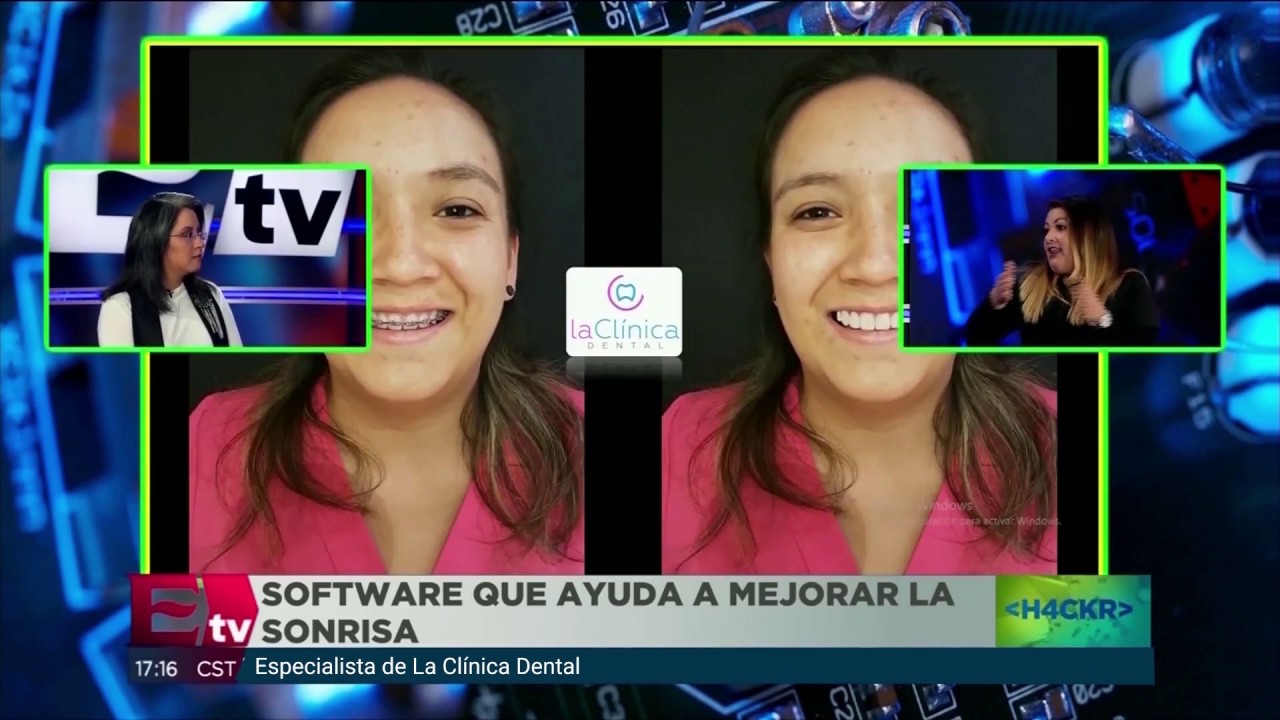
El Diseño de Sonrisa consiste en llevar los dientes a unas condiciones ideales de tamaño forma y color, según la cara, la personalidad y los rasgos específicos de cada paciente. Con la odontología actual se busca llevar a los dientes hasta un estado natural, altamente armónico y visualmente muy agradable.
Se puede llevar a cabo con Carillas, Resinas de Alta Estética, Blanqueamiento e incluso tratamiento de Ortodoncia Invisible. En La Clínica Dental Querétaro sabemos que sonreír es salud.

All our treatments and services are provided in comfortable facilities with the highest quality standards.

Las carillas dentales son unas capas delgadas de porcelana hechas a la medida, que cubren la parte frontal de los dientes. Las carillas dentales, son del color del diente y se utilizan para cerrar espacios entre dientes, dientes manchados, mala formación o ligeramente chuecos.

Las resinas de alta estética son del color del diente y se colocan en la superficie de los mismos para igualar su apariencia natural. Esto se hace después de eliminar algunas caries, fracturas que haya que restaurar; espacios entre los dientes y pequeñas imperfecciones, etc.

El blanqueamiento es un procedimiento que aclara los dientes que están manchados, decolorados o que se han oscurecido por un golpe. Se puede realizar en dientes vitales o en dientes con endodoncia.

Si tienes los dientes desalineados, la solución es el tratamiento de ortodoncia; en dónde los dientes se colocan en su posición adecuada, para así lograr su correcta función y como consecuencia, dientes perfectamente bien alineados. Existen varios tipos de tratamientos de ortodoncia, tales como: brackets metálicos, estéticos, sin ligas e incluso sistemas totalmente transparentes.
En estética dental, lo importante no es “hacer dientes más blancos”, sino diseñar una sonrisa armónica, funcional y natural. Por eso nuestro enfoque integra tecnología de diagnóstico y planeación para reducir incertidumbre y mejorar la precisión desde el primer día.
Digital Smile Design (DSD): análisis de sonrisa y proporciones faciales para definir forma, tamaño y posición de los dientes antes de iniciar.
Escáner intraoral (scanners): registro digital preciso (sin moldes tradicionales, cuando aplica) para planear y fabricar con mejor ajuste.
CBCT (tomografía 3D): evaluación avanzada de hueso, encías y anatomía cuando el caso lo requiere (p. ej., rehabilitaciones complejas o para alinear estética con función).
CAD/CAM: diseño y manufactura asistidos por computadora para mejorar ajuste, consistencia y control del resultado final (según el plan y el material indicado).
La combinación de estas herramientas nos permite simular, planificar y ejecutar de forma más controlada: menos sorpresas, mejor ajuste y una sonrisa que se vea natural.

Si viajas desde el extranjero, podemos ayudarte a organizar tu tratamiento con un enfoque por etapas, cuidando tiempos, visitas y seguridad clínica. El objetivo es optimizar tu agenda sin comprometer el resultado final.
Pre-evaluación antes de tu viaje: envías fotos y estudios disponibles (si tienes panorámica/CBCT) para orientar opciones y estimar etapas.
Primera visita en CDMX: valoración clínica + diseño digital + plan definitivo (qué se hace en tu viaje y qué se programa después).
Ejecución por fases: tratamientos que pueden concentrarse en pocas citas cuando es clínicamente viable (p. ej., resinas/blanqueamiento) y planificación de fases que requieren tiempos biológicos (p. ej., carillas, rehabilitación, ortodoncia).
Seguimiento: indicaciones claras, controles programados y coordinación para la fase final.
La prioridad es que el tratamiento sea seguro, predecible y estable. Algunas fases pueden resolverse durante tu estancia; otras requieren programación posterior para respetar procesos clínicos y obtener el mejor resultado.

Smile design is a comprehensive approach to cosmetic dentistry that seeks to improve the harmony between teeth, gums, lips and face. It is not just about “whitening”, but about planning proportions, shape, color and function so that the smile looks natural and is stable.
It can help in cases such as:
A natural smile respects the real anatomy: subtle variations in shape, texture and color, and a harmonious relationship with lips and face. To avoid the “uniform effect” (too much white or identical teeth), we plan tone, translucency and proportions.
In consultation is defined:
The process is organized in stages so that you have clarity of decisions and timing. A typical flow includes:
Smile design is not a single procedure: it is a plan that combines options depending on your diagnosis. It may include:
In consultation we define which combination gives you the best result with the most conservative approach possible.
It depends on the objective, the condition of the tooth and the level of change you are looking for. In general:
The final decision is made with clinical evaluation and esthetic-functional plan.
A mock-up is a temporary “test” that allows to visualize volume, shape and length before finalizing the treatment (when applicable). It serves to align expectations and adjust aesthetic details (longer/shorter, wider/narrower) before reaching the final stage.
Useful for:
It depends on the complexity and treatments involved. Some plans can be resolved in a few appointments (e.g. whitening + resins), while others require stages (veneers, orthodontics or rehabilitation).
In your assessment we will give you a timetable by stages and what factors may modify it (gums, bite, need for provisionals, etc.).
Varies by plan. A conservative design may require only a few visits, while a comprehensive plan may require several stages. The important thing is to define them from the beginning:
We give you a guide of visits and times adapted to your case.
Most aesthetic procedures are well tolerated. If adjustments or procedures are required, local anesthesia will be used. If you are anxious, it is best to discuss this at the time of the evaluation to plan for a more comfortable experience.
We usually help with:
Gum health is key to a stable esthetic result. If there is inflammation or periodontal disease, periodontal treatment and maintenance is indicated first. Then the esthetic plan is resumed with better conditions and less risk of complications.
Bruxism can affect the durability of esthetic restorations and bite stability. Therefore, we evaluate wear, bite force and habits. Depending on the case, a protection plan (e.g. night guard) and adjustments to reduce overloads are recommended.
The duration depends on the type of treatment, habits and maintenance. To preserve results it is recommended:
In consultation we give you a specific maintenance plan.
The cost depends on the complete plan and the treatments needed for your case, not just a single procedure. Frequent variables:
The ideal is a phased budget, with alternatives depending on the level of change desired.
We can arrange payment in stages (assessment/diagnosis, execution and controls). Available payment methods may vary, but usually include transfer and cards; specific conditions may also apply depending on current policies.
In your assessment we will confirm the current options and the most convenient scheme according to your plan.
Yes. For international patients, we organize the plan in stages to optimize time and visits while maintaining clinical safety. It usually starts with a pre-evaluation, and during your visit to Narvarte Poniente, Benito Juárez, CDMX, we define the final plan with a timeline. Some phases can be completed in a few days when clinically feasible; others are scheduled according to biological timing and result stability.
To move faster, we recommend sending before your trip (if you have it): a panoramic X-ray or CBCT, photos of your smile and close-ups, and a summary of your goals (what you’d like to improve). It’s also helpful to share your travel dates and how many days you’ll be in Ciudad Satélite, Naucalpan de Juárez, State of Mexico.
With this information we can guide you on options, stages and a realistic itinerary.

La Clínica Dental Querétaro is part of the La Clínica Dental - Red Dental Premium dental network in Mexico, which combines 3D diagnostics, intraoral scanning, guided surgery, and multidisciplinary specialists to plan more precise, comfortable, and predictable treatments in the areas of implants, cosmetic dentistry, and oral rehabilitation.
Find dental care near you, with coverage in various areas of Mexico.

Flexible payment options—choose the option that best fits your budget and treatment.

We use 3D tomography, intraoral scanners, and digital planning to make more accurate diagnoses, reduce discomfort, and plan safer, more predictable treatments.

Our team is here to support you with professional, clear, and compassionate care during every visit.
Fill out the form below, submit your inquiry, indicate how you wish to be contacted, and we will get in touch with you during our business hours.
